

Sometimes, we move through the day without really noticing how we feel. These mindfulness exercises for beginners offer simple ways to slow down, reconnect with the present moment, and become more aware of our thoughts, emotions, and physical sensations.
We may be physically present but mentally somewhere else.
Mindfulness offers an opportunity to pause, reconnect with the present moment, and become more aware of our thoughts, emotions, and physical sensations.
You do not need special equipment, a quiet retreat, or hours of meditation to begin. Even a few intentional minutes can become an opportunity to slow down and notice what is happening within you.
At New Land Therapy, mindfulness is one of the approaches I incorporate into supporting emotional awareness, stress management, and personal growth.
What Is Mindfulness?
Mindfulness is the practice of bringing attention to the present moment with openness, curiosity, and less judgment.
It involves noticing what is happening right now: your breathing, physical sensations, emotions, thoughts, and surroundings.
Mindfulness does not mean stopping your thoughts or forcing yourself to feel calm. Thoughts will continue to come and go. The practice is learning to notice them without automatically following every thought or reacting to every emotion.
The National Center for Complementary and Integrative Health (NCCIH) describes mindfulness as maintaining awareness of the present moment without judgment. Research suggests that mindfulness-based approaches may help some people manage anxiety, depression, and stress, although results vary depending on the practice and individual.
Five Simple Mindfulness Exercises to Try
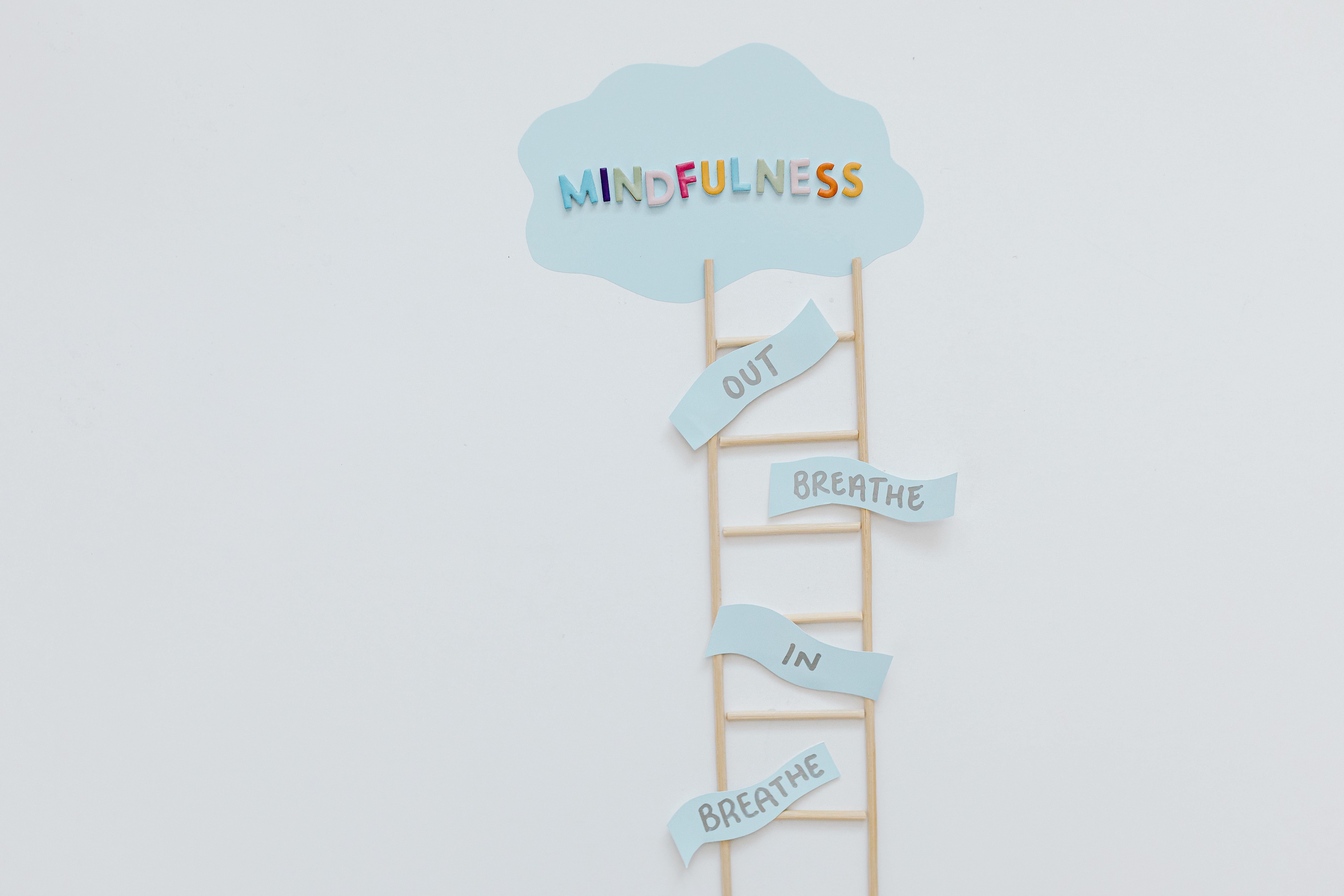
You can practice these exercises at home, during a work break, or whenever you need a moment to reconnect with yourself.
1. Mindful Breathing
Our breathing is always with us, making it a simple place to bring our attention.
How to practice:
- Find a comfortable position, sitting or standing.
- Allow your shoulders to relax.
- Notice the natural rhythm of your breathing.
- Feel the air moving in through your nose and out through your mouth or nose.
- When your mind wanders, gently bring your attention back to your breath.
Try this for one to three minutes.
You do not need to change your breathing or make it deeper. Simply notice it.
2. Watching Thoughts: A Mindfulness Exercise
Thoughts often appear automatically. Some are memories, some are plans, and others are worries or passing observations.
This exercise helps you practice noticing thoughts rather than becoming completely absorbed in them.
How to practice:
- Sit comfortably and allow your body to settle.
- Keep your eyes open with a soft gaze, or close them if that feels comfortable.
- Take a few natural breaths.
- Silently notice the words and thoughts that arise in your mind.
- Imagine each thought as something passing by. You do not need to analyze it, hold onto it, or push it away.
- When you notice that your attention has wandered, gently return to observing.
For a simple variation, slowly read these words one at a time and notice what comes into your mind:
Birthday. Mountain. Yellow. Ocean. Chocolate. Surprise. Garden. Music. Beautiful.
Notice the images, memories, emotions, or associations that arise.
There is no correct response. The goal is simply to observe your experience.
3. The Five Senses Grounding Exercise
When you feel overwhelmed, anxious, or disconnected from your surroundings, gently directing your attention toward your senses may help you reconnect with the present moment.
Pause and notice:
- 5 things you can see: Look around and identify five details.
- 4 things you can feel: Notice your feet on the floor, clothing against your skin, or your hands resting together.
- 3 things you can hear: Listen for sounds near you and farther away.
- 2 things you can smell: Notice the scents around you, if any.
- 1 thing you can taste: Notice a taste in your mouth or take a sip of water.
Move through the exercise slowly. There is no need to rush.
4. Mindful Body Awareness
Our bodies sometimes communicate tension before we consciously recognize stress.
A brief body-awareness practice can help you notice physical sensations with curiosity rather than criticism.
How to practice:
- Sit or lie down in a comfortable position.
- Bring your attention to your feet.
- Slowly notice sensations in your legs, hips, abdomen, shoulders, arms, and face.
- Notice areas that feel relaxed, tense, warm, cool, or neutral.
- Avoid forcing your body to relax. Simply observe what is present.
If focusing on body sensations feels uncomfortable, you can keep your eyes open and return your attention to the room.
5. A Self-Compassion Pause
We often speak to ourselves in ways we would never speak to someone we love.
A self-compassion pause creates a moment to acknowledge what you are experiencing and respond with kindness.
Take a breath and gently ask yourself:
- What am I feeling right now?
- What do I need in this moment?
- What would I say to someone I care about who was experiencing this?
You might offer yourself a simple reminder:
I am allowed to have difficult moments. I do not have to figure everything out right now. I can take one small step at a time.
How Often Should You Practice Mindfulness?
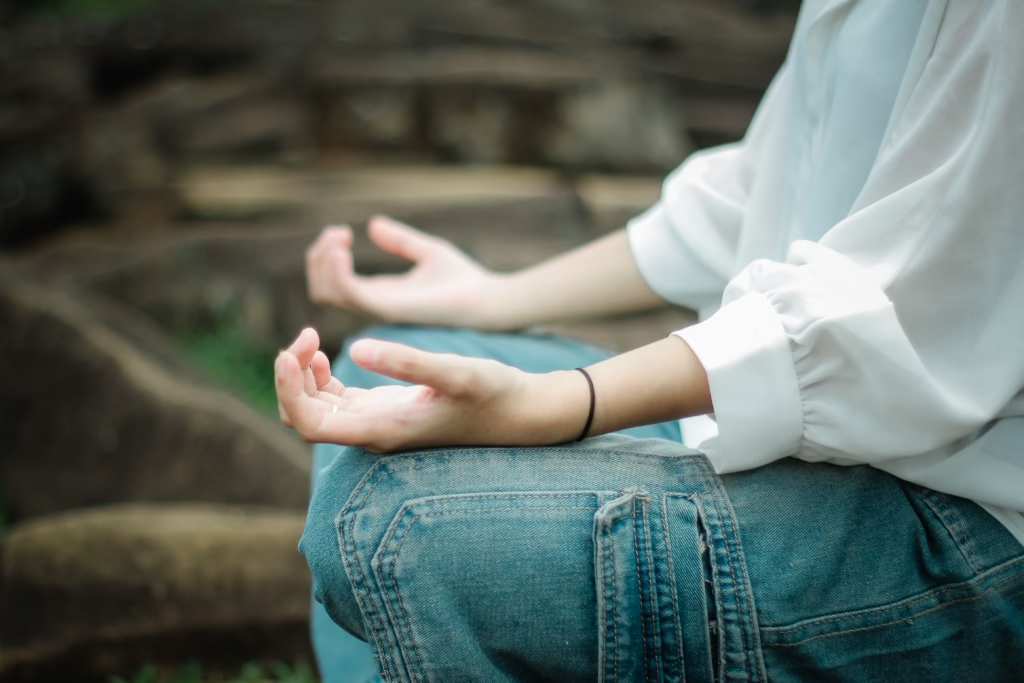
Start small. Try one or two minutes rather than setting an unrealistic goal of meditating for a long time every day.
You might practice:
- Before beginning your workday.
- During a break between responsibilities.
- After a stressful conversation.
- Before going to sleep.
- When you notice yourself becoming overwhelmed.
Consistency and flexibility are more useful than trying to practice perfectly.
Some people find mindfulness calming, while others may initially notice uncomfortable thoughts, memories, or emotions. You do not need to force yourself to continue an exercise that feels distressing. Keep your eyes open, choose an external grounding exercise, or seek guidance from a qualified mental health professional when needed.
Can Mindfulness Replace Therapy?
Mindfulness can be a helpful skill, but it is not a replacement for individualized mental health care.
If anxiety, depression, trauma-related symptoms, or ongoing stress are interfering with your daily life, working with a mental health professional can help you understand what you are experiencing and identify appropriate support.
At New Land Therapy, mindfulness-based practices can be incorporated into a personalized counseling approach alongside other evidence-informed therapeutic methods.
A Gentle Invitation to Begin
You do not have to change everything today.
You can begin by noticing one breath, one thought, or one moment.
Sometimes, meaningful change starts with simply becoming aware of what is happening within you.
If you are looking for support with anxiety, stress, emotional regulation, or life transitions, New Land Therapy offers online counseling throughout South Carolina.
Schedule a free 15-minute consultation: NewLandTherapy.me
References and Further Reading
- National Center for Complementary and Integrative Health. (n.d.). Meditation and Mindfulness: Effectiveness and Safety. https://www.nccih.nih.gov/health/meditation-and-mindfulness-effectiveness-and-safety
- Goldberg, S. B., et al. (2018). Mindfulness-based interventions for psychiatric disorders: A systematic review and meta-analysis. Clinical Psychology Review, 59, 52–60. https://doi.org/10.1016/j.cpr.2017.10.011
This article is for educational purposes and is not a substitute for mental health evaluation or treatment.